Credit: Notes via Prof. Smith
Tuesday, March 3, 2020
Civil War and Reconstruction Era
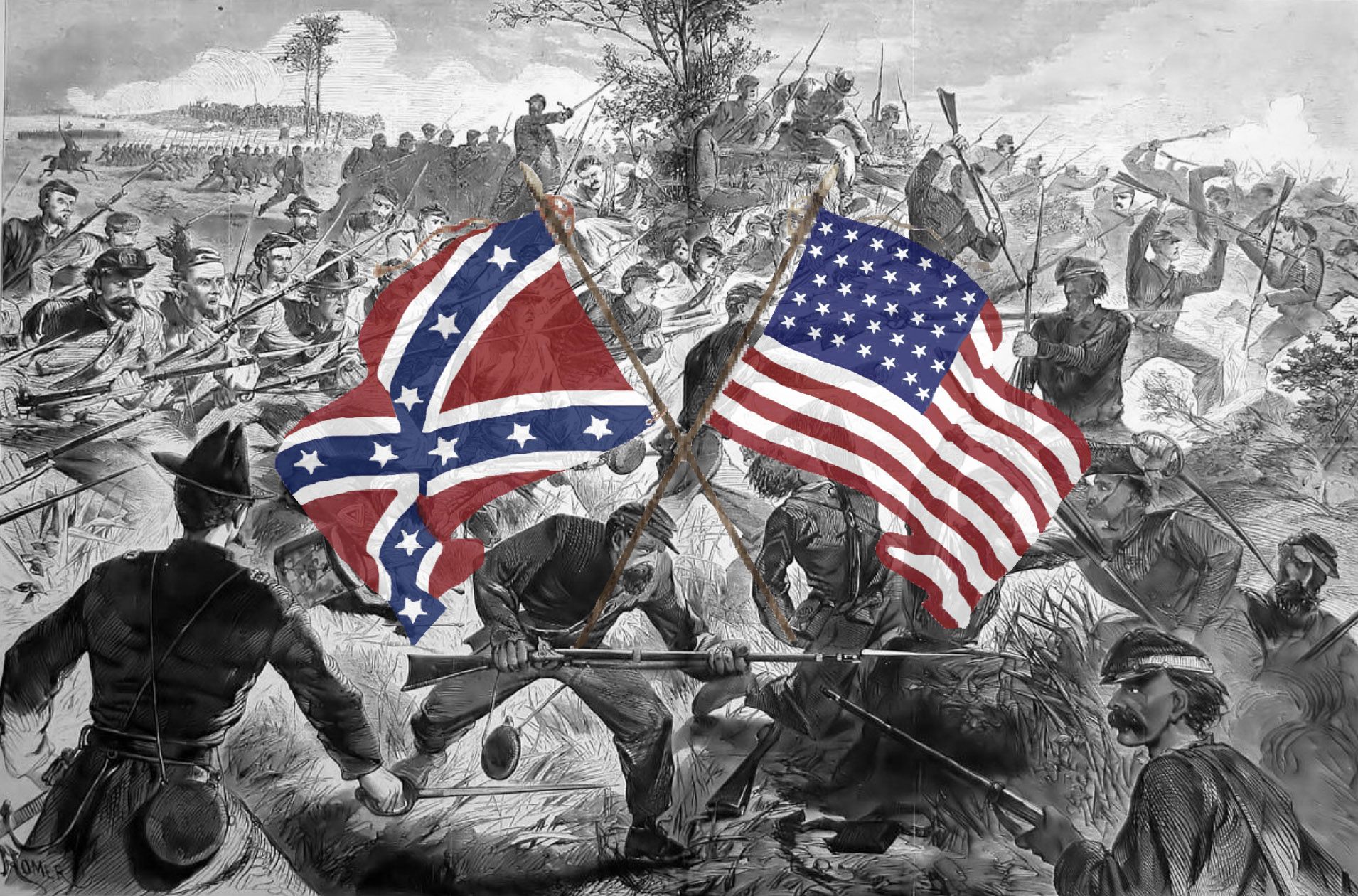
From 1619 to 1864, the United States was known as a slave country. Majority of men who owned land also owned slaves. In 1857, Dred Scott argued that if he was in a state where slavery was illegal, then he was not a slave. The judge said that he was a slave and not a citizen, despite the states laws. This started to stir an issue among the public, and creating a division between the north and the south. When President Lincoln was elected in 1860, he suspended Habeas Corpus, which means the government cannot arrest a citizen without a reason. Lincoln’s election also created a war on the press, because of his attempts to suppress anti-war voices. The civil war officially started in 1861 in Fort Sumter. In 1863, the emancipation proclamation was created, making it clear that the civil war was about slavery, not states rights. The Reconstruction Era started when the ending of the civil war and the 13th amendment in 1864. The ratification of the 14th amendment in 1865 made African Americans citizens. There were 3 clauses/freedoms to the 14th amendment: privilege, due process, and equal protection clause. In 1870, the 15th amendment was created to give African Americans the right to vote. The Civil Rights act in 1875 banned discrimination in public areas. In all of these cases, freedom of speech and the first amendment were important in order for people to speak their minds about discrimination and equal rights.
Credit: Notes via Prof. Smith
Sunday, March 1, 2020
The Founding Era

In class, we talked about the Founding Era that occured from 1619-1808, and its relevance, as well as its importance, to the first amendment. In 1619, there were two major things that occured to note take note of. First, the founding of Jamestown took place. Second, the first slave trade begins. 1776 brings us to the Declaration of Independence and Revolutionary War. When the colonists won the war, all complaints listed in the Declaration were addressed with solutions in State Constitutions.
When creating american democracy, the colonists wanted to insert certain things to keep the new government, whatever it may be, from ever gaining too much power. They wanted the state and federal governments to have a give and take system, creating a limited government. They also created enumerated powers, which consisted of a stated list of certain powers. If the power is not on there, the government does not have it. In 1782, the Articles of Confederation were created as a first attempt at a Constitution. With this, state governments would have a lot more power, and the federal government must share. The idea of federalism internally divided the government and the state, creating vertical checks and balances. With the failing of the Articles, the federalists created Constitution that would become hard to change. With this, the anti-federalists wanted to ensure the rights of the people, so they wanted to include the Bill of Rights. With this comes the first amendment, ensuring freedom of speech. This is important because it ensures the right of the people to say what they want about whatever they want. In 1878, 3 compromises were created: the 3/5ths compromise, 20 year rule, and the fugitive slave clause. In 1803, the results of Marbury vs Madison led to judicial review, which gives the Supreme Court power to review all actions of department and are able to deem them constitutional or not. When the slave trade ended in 1808, the Founding Era came to an end as the Civil War era started.
Wednesday, February 12, 2020
First Amendment in Political Communications
With a major of strategic communications looking to focus in political communications, it is important to know and take advantage of your first amendment rights. Story Partners, the location of my internship this summer, is a public affairs agency in DC. They exercise their first amendment right in a multitude of ways. One thing that they do is create different platforms to express their opinions on different political topics. This is crucial to their jobs, as they work in DC, being directly involved in politics.
“Inside Story”, a digital thought leadership platform covering issues that are shaping policy debates in the nation's capital and around the globe, is a great example of how they exercise their first amendment rights. Gloria Dittus, Chairman of Story Partners, wrote an article talking about data privacy protection in the United States. She writes specifically on the California Consumer Privacy Act, explaining it as “the first data privacy law of its kind in the U.S. Enactment of the CCPA follows the implementation of similar data privacy legislation in the European Union titled the General Data Protection Regulation (GDPR), which went into effect in 2018”. She further explains that consumers are concerned over data privacy and the protection of their personal information without their knowledge on these different sites. Gloria also writes other articles about adapting to the progressing work field, the nationwide shift to clean energy, and on how Infrastructure investments keep Americans safe. Gloria continues to exercise her first amendment rights when talking about politics.

Subscribe to:
Posts (Atom)